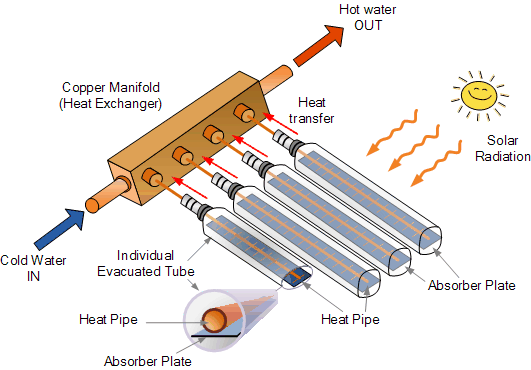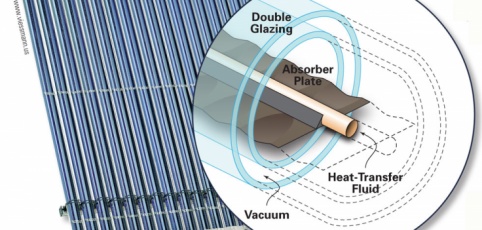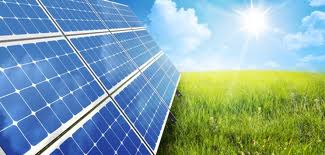
Solar energy: radiant light and heat from the sun. It is harnessed using a range of ever-evolving technologies such as solar heating, solar photovoltatics.
Architecture and Urban Planning
Sunlight has influenced building design since the beginning of architectural history. Advanced solar architecture and urban planning methods were first employed by the Greeks and Chinese, who oriented their buildings toward the south to provide light and warmth.
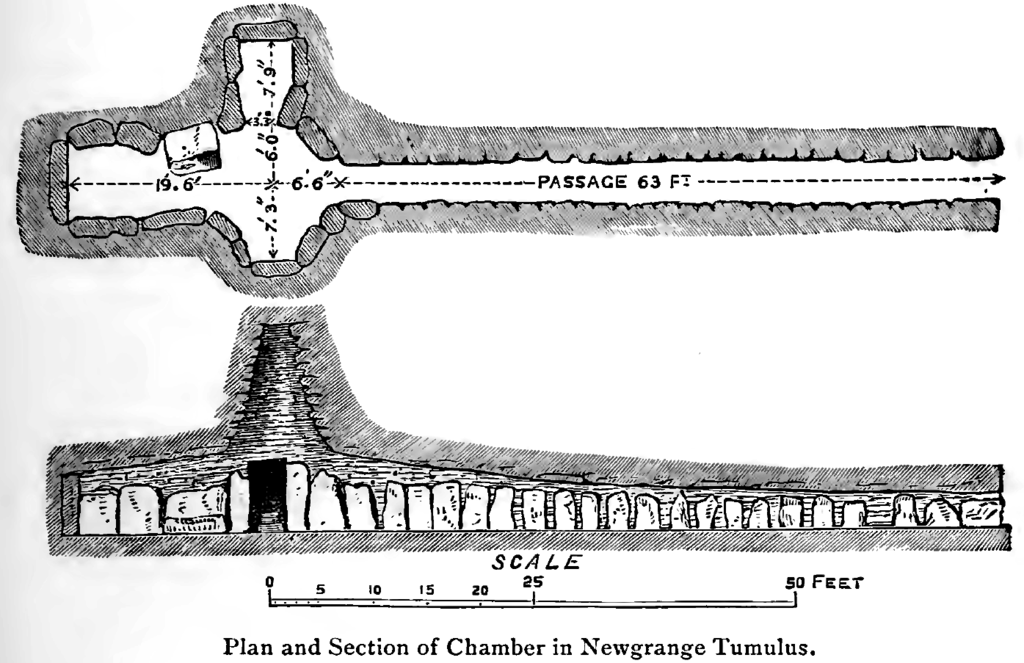
Newgrange, Ireland.
Example for the special light design: Newgrange in Ireland was built during the Neolithic period around 3200 BC. It has been speculated that it had religious significance - it aligned with the rising sun and its light floods the chamber on the winter solstice.
The common features of passive solar
architecture are orientation relative to the Sun, compact proportion (a
low surface area to volume ratio), selective shading (overhangs) and thermal mass.
When these features are tailored to the local climate and environment
they can produce well-lit spaces that stay in a comfortable temperature
range.
The most recent approaches to solar design use computer modeling tying together solar lighting, heating and ventilation systems in an integrated solar design package. Active solar equipment such as pumps, fans and switchable windows can complement passive design and improve system performance.
Heating, cooling, ventilation:
Thermal mass is any material that can be used to store heat—heat from
the Sun in the case of solar energy. Common thermal mass materials
include stone, cement and water. Historically they have been used in
arid climates or warm temperate regions to keep buildings cool by
absorbing solar energy during the day and radiating stored heat to the
cooler atmosphere at night. However they can be used in cold temperate
areas to maintain warmth as well. The size and placement of thermal mass
depend on several factors such as climate, day-lighting and shading
conditions. When properly incorporated, thermal mass maintains space
temperatures in a comfortable range and reduces the need for auxiliary
heating and cooling equipment.
What is the difference between Photovoltaics and solar heating?
Photovoltaics (PV) is a method of generating electrical power by converting solar radiation into direct current electricity. Solar photovoltaics is now, after hydro and wind power, the third most important renewable energy source
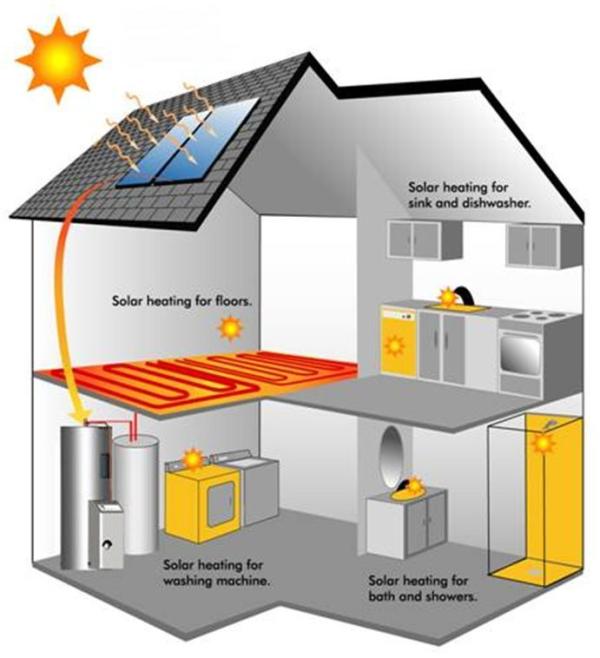
Solar heating: A solar thermal collector collects heat by absorbing sunlight. Simple collectors are typically used in residential and commercial buildings for space heating.
In that website I will introduce those space heating system which is supported by solar collectors.
What are the considerations when designing a solar shading system?
The movement toward sustainable building designs is being driven largely by environmentally-sensitive building owners. As these owners and their consultants weigh their design objectives and alternatives, they often find that exterior sun controls are an ideal part of the "green" solution for their buildings.
Exterior solar shading controls can dramatically reduce the air conditioning loads caused by the sun’s radiation penetrating the building’s windows. In addition to energy savings through reduced cooling loads exterior sun controls can enhance a building’s appearance, as well as provide filtered day lighting and reduced glare.
Shading systems block a certain amount of the solar radiation from entering the building. They are ideally designed to maximize natural daylight while controlling solar heat gain and glare.
Solar Geometry:
The sun rises in the East and sets in the West. The sun travels in an arc, reaching its highest altitude in the South (for the Northern hemisphere).
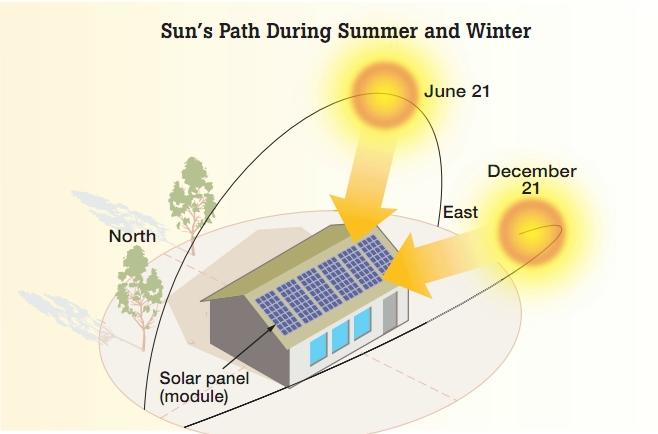
An important requirement of the design process is to ensure the building is shaded from the sun for as many hours as possible throughout the whole day, during the course of the entire year. However a balance must be achieved in order to ensure that the level of natural light entering the building is not unacceptably reduced.